- Home
- Where leaks hide
Central heating leak detection: where your boiler’s pressure goes
When the gauge keeps dropping, the water is leaving through one of six places. Each one gives itself away differently and each one is found a different way. Every survey starts with the least disruptive method, and heating pipework leaks can be quoted for repair on the visit.
Heating pipes under floors and screed
Many houses built from the 1960s onwards have their downstairs heating pipes buried in the concrete floor. When one of them corrodes through, the water soaks into the screed and can travel metres before it shows, if it shows at all.
What you tend to notice
- The boiler needs topping up every few days, or drops to zero overnight
- A warm patch on a tiled or stone floor with the heating on
- Laminate or wood flooring lifting, or a skirting board coming away from the wall
- A damp, musty smell downstairs with no obvious cause
How it is found
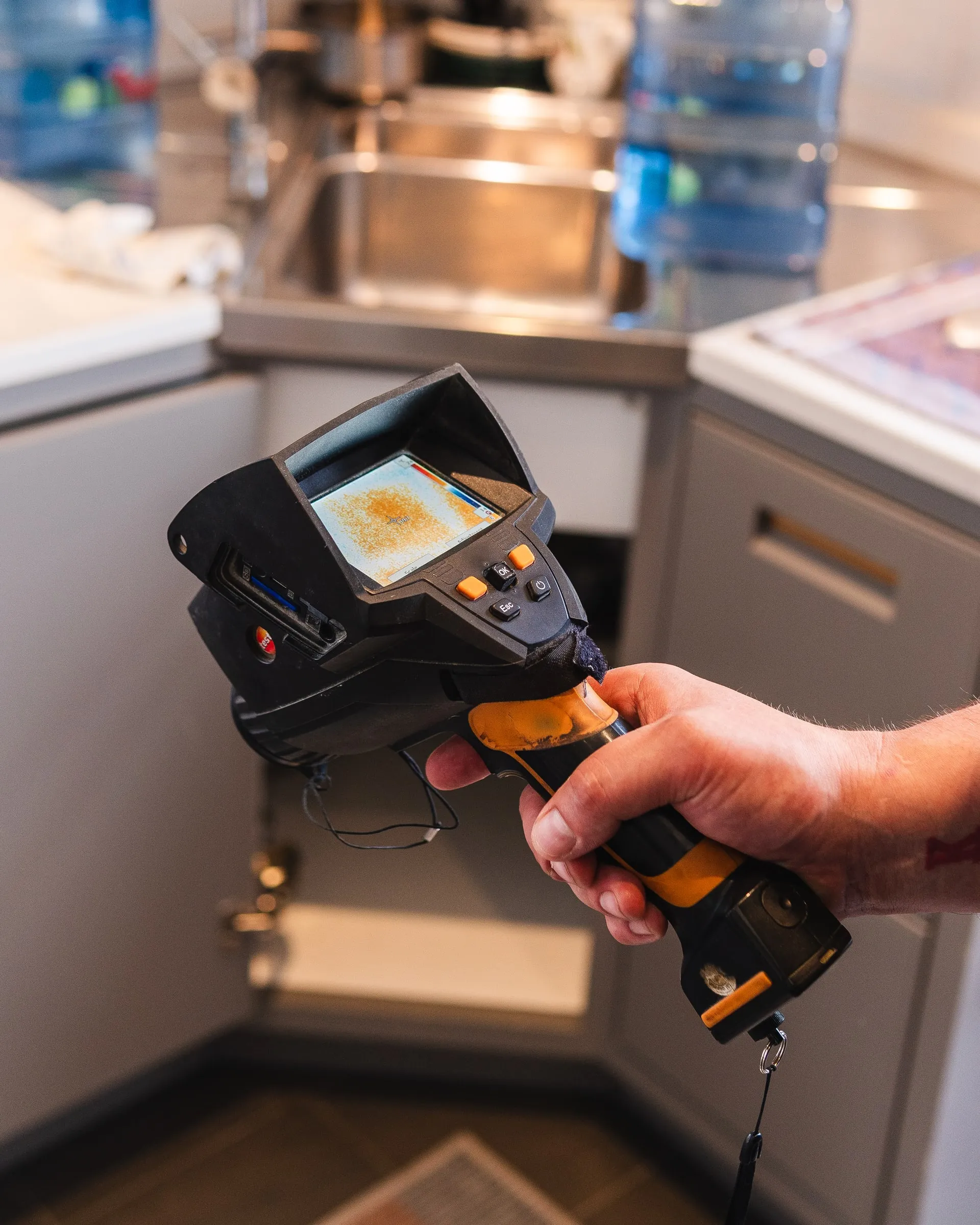
Thermal imaging with the heating on shows where the pipes run and where the heat has spread. The system is then drained and filled with tracer gas, which comes up through the screed at the leak. A moisture meter and a ground microphone confirm the spot, so the opening is a small square in the right place.
Repairs
Heating pipe repairs can be quoted and done on the visit: the section is cut out, replaced and pressure tested before the boiler is refilled. Relaying the tiles or flooring afterwards is for your own fitter.
Call 0333 567 2638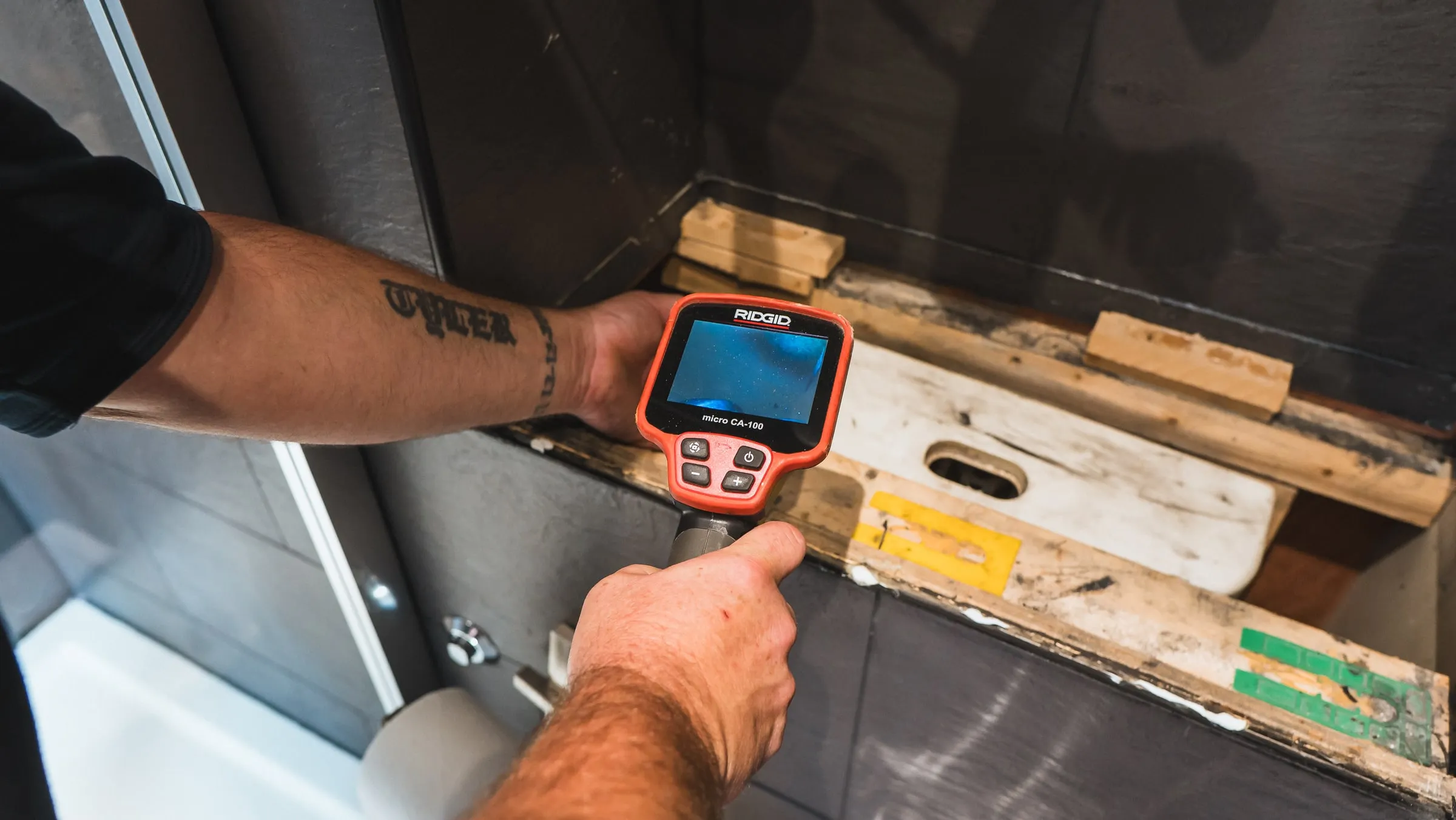
Pipes in walls, ceilings and boxing
Upstairs, the flow and return pipes run between the joists and drop inside walls to each radiator. A weeping joint in a ceiling void can lose a surprising amount of water into the plasterboard before a stain appears below.
What you tend to notice
- A brown ring or damp patch on a ceiling, often below a bedroom or bathroom
- Bubbling paint or wallpaper low on a wall near a radiator
- Water marks inside boxing or an airing cupboard
How it is found
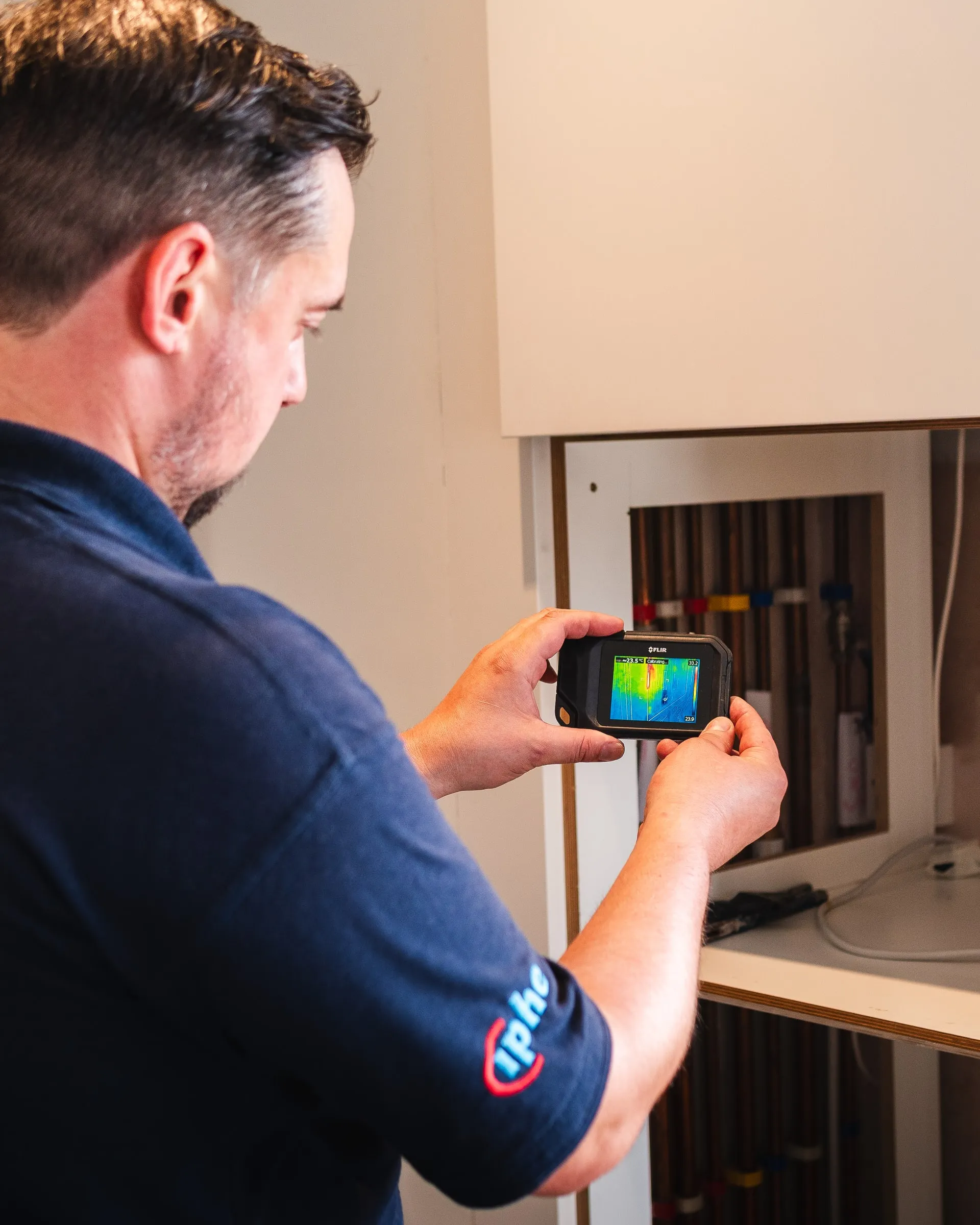
Thermal imaging traces the pipe route behind the plaster. Moisture mapping shows how far the water has travelled, and a borescope camera through a small hole looks at the joint itself. Pressure testing each section confirms which run is losing water.
Repairs
Pipework repairs can be quoted. Where a ceiling or wall has to be opened, the engineer keeps it to the size needed to reach the joint, and making good is for your decorator.
Call 0333 567 2638Radiators, valves and towel rails
Radiator valves are a frequent place for a heating system to weep. The pin under the head of a thermostatic valve wears, compression joints loosen, and old steel radiators rust from the inside until a pinhole opens along the bottom seam.
What you tend to notice
- Rust, green staining or a white crust at a valve or joint
- A damp patch of carpet or a stain on the floor under a radiator
- Needing to bleed the same radiator again and again
- A towel rail with rust along a seam
How it is found
Every radiator, valve and bleed screw is checked by eye and by hand, with the head of each thermostatic valve taken off to look at the pin. Pressure testing isolates the radiators from the rest of the system, which shows quickly whether the fault is at a radiator or in the pipework.
Repairs
Valves and radiator connections can be replaced on the visit where they are quoted. In Bracknell, the engineer found a passing thermostatic valve on the front door radiator and replaced it alongside the relief valve.
Call 0333 567 2638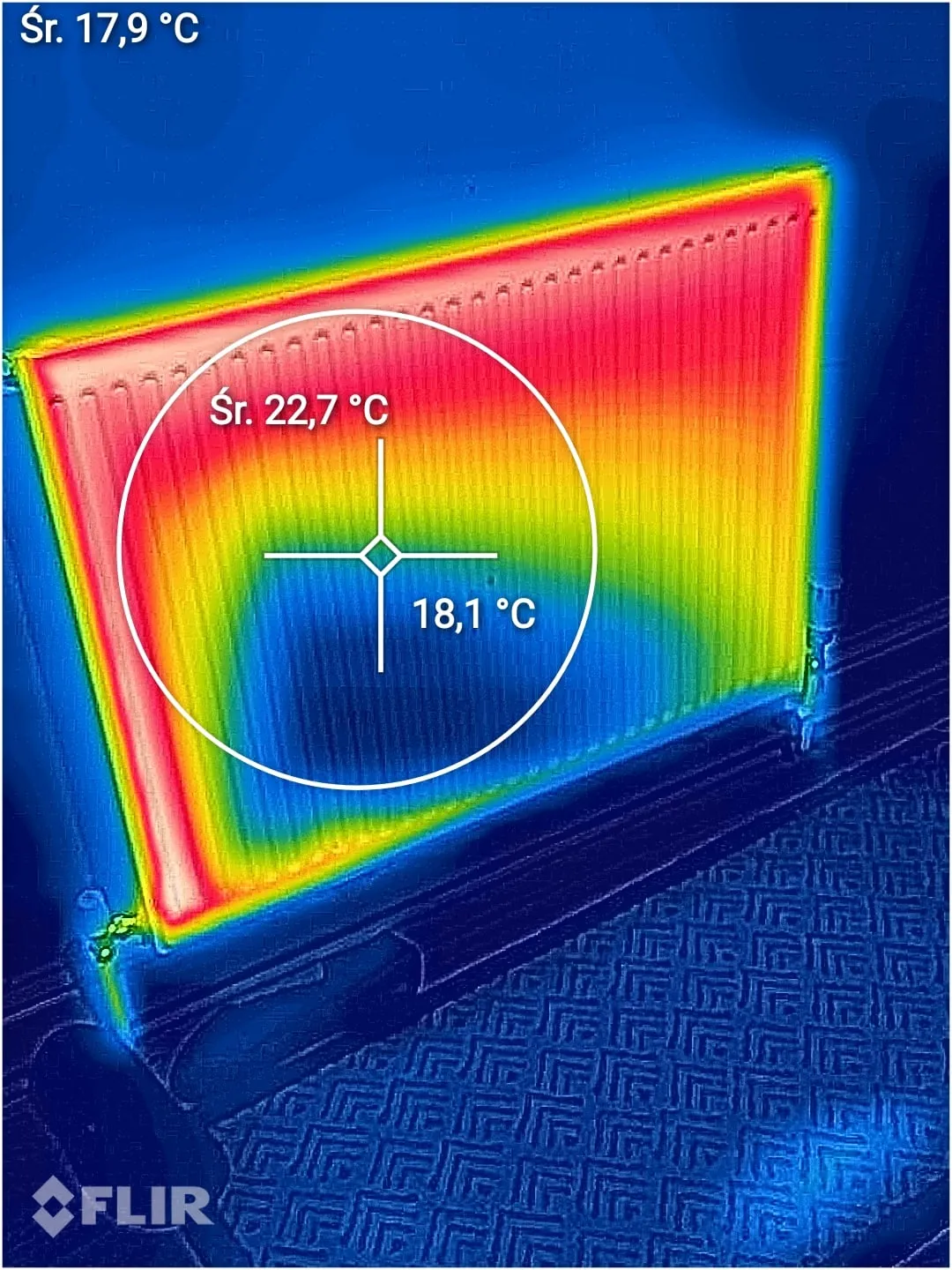
Boiler, pressure relief valve and filling loop
Not every pressure problem is a leak in the pipework. A pressure relief valve that has stuck open lets water out through a small pipe to the outside, usually where nobody looks. A filling loop left slightly open can push the pressure up and then out through that same valve.
What you tend to notice
- Pressure drops but there is no damp anywhere in the house
- A drip, a wet wall or a limescale mark under a small copper or plastic pipe outside
- The pressure climbs above 2.5 bar when the heating is on, then falls when it cools
- Brown rust or limescale around the relief valve inside the boiler casing
How it is found
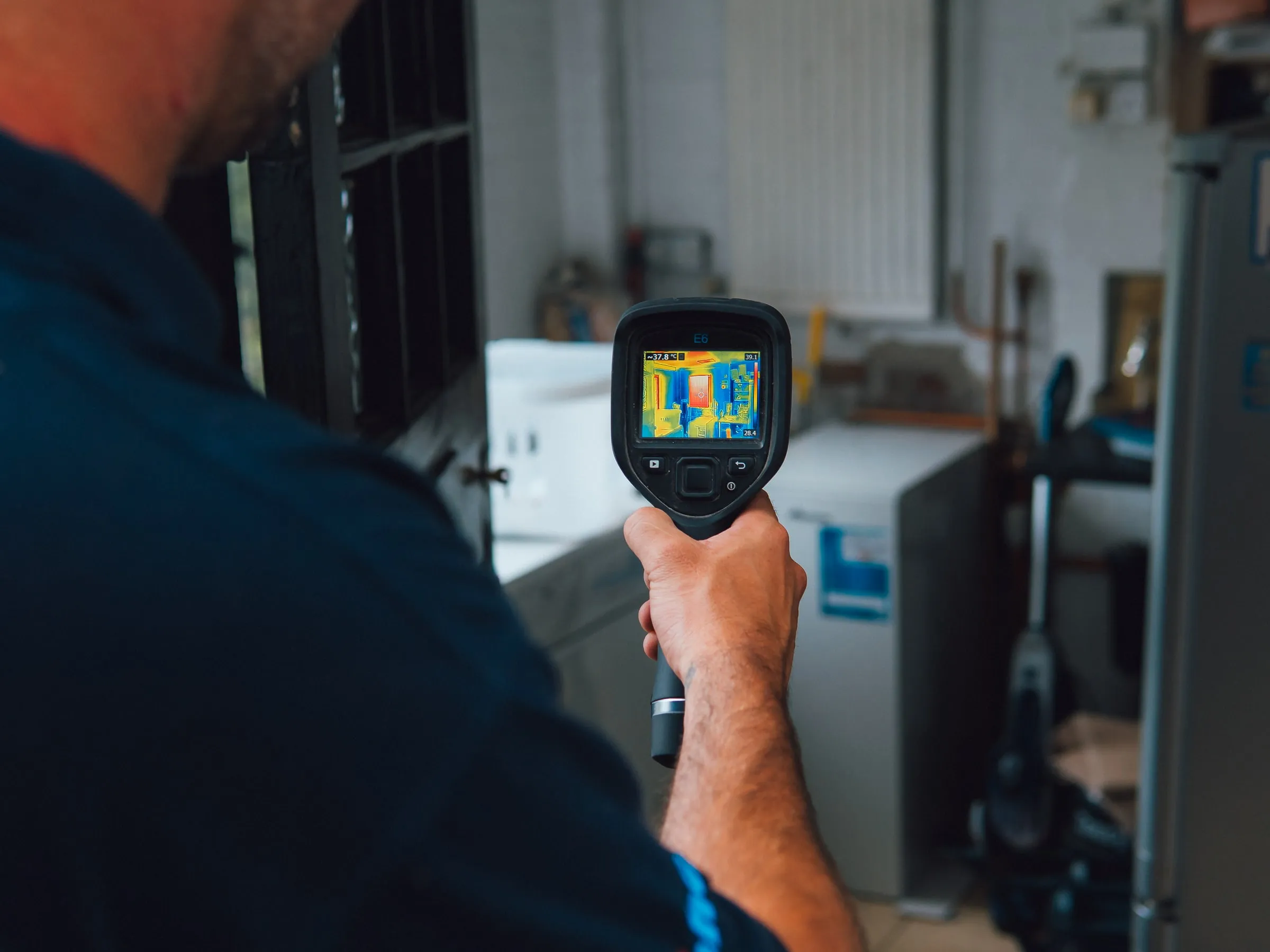
The engineer reads the gauge from cold to hot, checks the filling loop is closed, and follows the relief valve pipe to where it comes out. If gas or water escapes there, capping the outlet and pressure testing the rest of the system shows whether that was the only fault.
Repairs
Relief valves and filling loops can be replaced where they are quoted. Work inside a gas boiler that needs a Gas Safe registered engineer is left to one, with the findings written down for them.
Call 0333 567 2638Expansion vessels and hot water cylinders
Water expands as it heats. On a sealed system the expansion vessel takes up that extra volume; when its internal membrane fails or it loses its air charge, the pressure swings hard every time the heating comes on.
What you tend to notice
- The gauge climbs to around 3 bar when the heating is on, then drops low when it cools
- The relief valve outlet drips or runs while the heating is on
- The pressure keeps falling but the system holds a pressure test
How it is found
Watching the pressure from cold to hot and checking the vessel charge tells the engineer whether the vessel is the cause. If the pipework holds pressure on test, you know there is no hidden leak to chase and the fix is at the boiler.
Repairs
A failed expansion vessel or a vessel inside a gas boiler is usually a job for a heating engineer; the report tells them what was found and ruled out, so they are not starting from scratch.
Call 0333 567 2638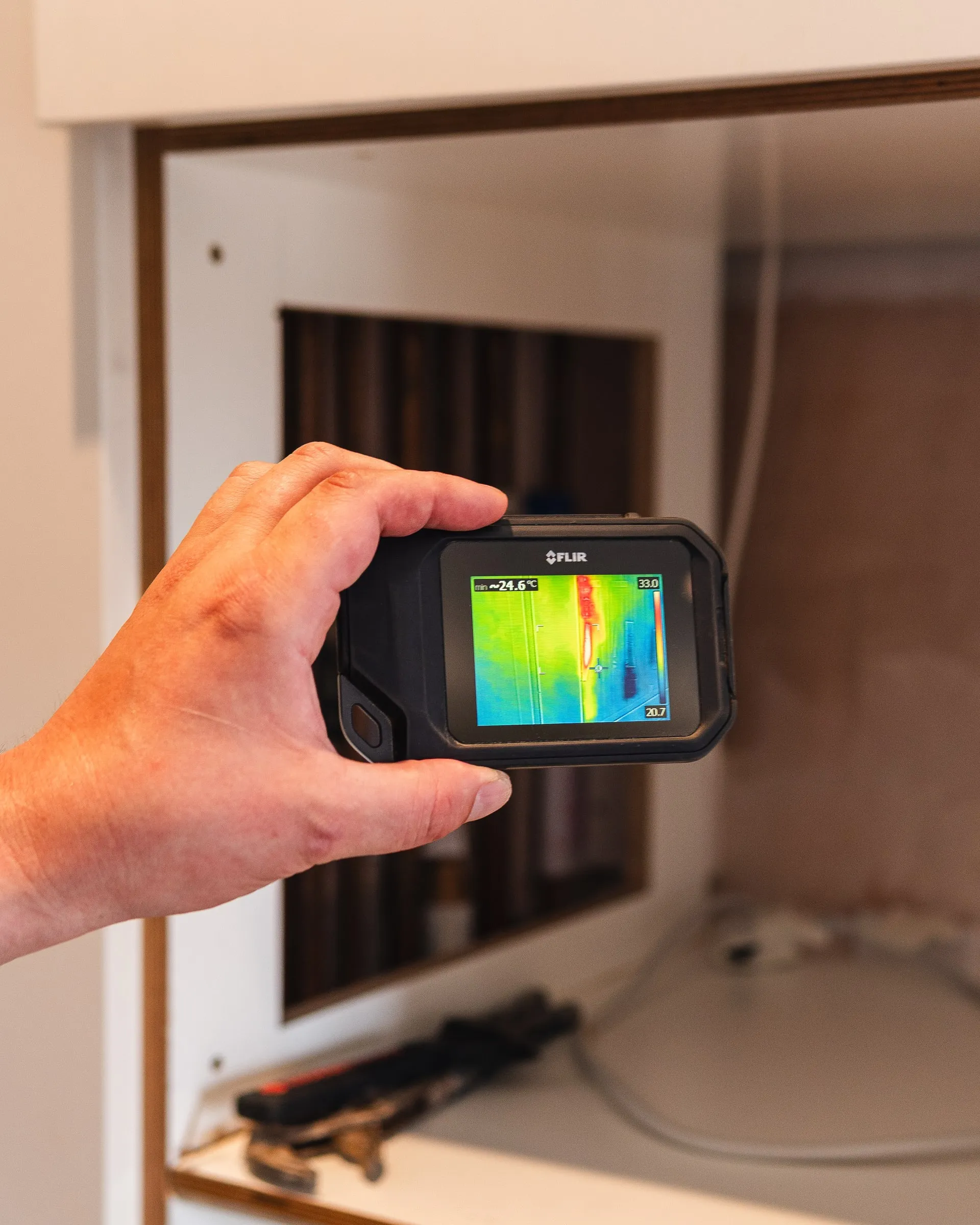
Underfloor heating leaks
A wet underfloor system is a long loop of plastic pipe set into a screed, fed from a manifold with a valve for each zone. Whether the water is escaping at a manifold fitting or from a loop deep in the floor, the screed hides it.
What you tend to notice
- One zone will not warm up while the others do
- The manifold or its own gauge needs topping up
- Damp at the edge of the floor, or flooring lifting in one area
How it is found
Each loop is isolated at the manifold and pressure tested to find the one losing water. Tracer gas and thermal imaging then work along that loop. Please switch the underfloor heating off from early morning on the day of the visit; the heat it gives off stops a thermal camera seeing anything useful.
Repairs
Underfloor heating repairs can be quoted once the leak is found. ADI publishes a separate underfloor heating leak detection service with the same engineers and equipment.
Call 0333 567 2638Not sure which of these it is?
Most people are not, and that is fine. Tell the office how fast the pressure drops and what you have noticed, and they will work out what kind of survey fits.
- Monday to Friday, 7:30am to 6:30pm
- Calls reach ADI Leak Detection's office in High Wycombe. Engineers cover England, Scotland and Wales.